Teapots, Steamers and Rain: A Dim Sum Brunch Crawl for a British Weekend
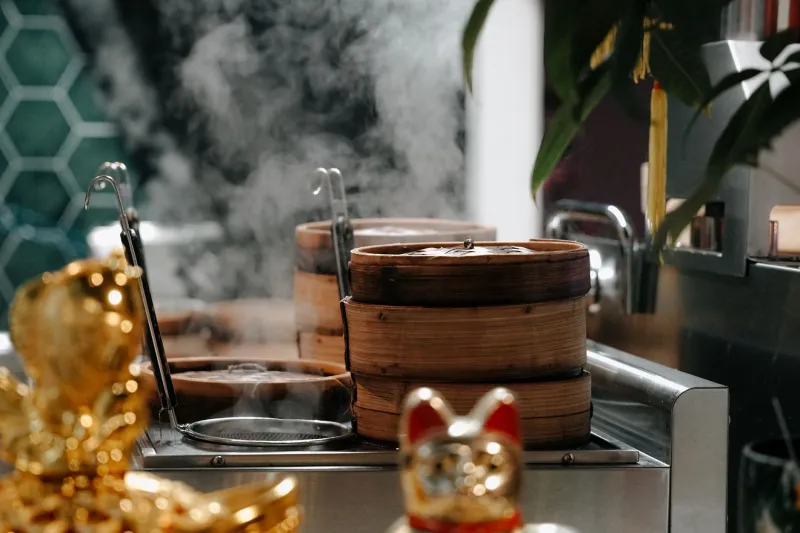
Dim sum is not a starter. It is not a quick pre-shopping snack, and it is certainly not something to rush before the cinema. Dim sum is a weekend brunch with a teapot at its centre, a steamer cloud around the table, and a rhythm that says the day can wait. On a rainy British Saturday, that is a very good thing.
The UK has a long, affectionate relationship with dim sum, from Chinatown trolleys to neighbourhood restaurants where the same families have been ordering the same dishes for years. But for plenty of people, dim sum still feels like a test. What do you order? How much? Is it rude to ask for ketchup? Not rude, but maybe not necessary. This is a guide to the slow, tea-fuelled brunch — not a checklist to conquer.
Start with tea, not a checklist
The first thing on the table should be tea. Jasmine is the familiar choice, and it is lovely, but it is not the only option. Pu-erh is earthy and dark, and it cuts through rich pork beautifully. Oolong is fragrant and forgiving. Chrysanthemum is light and slightly sweet, and it makes a nice contrast to fried dishes. If you are used to a strong builder's tea, pu-erh may feel like a leap; try it with something fatty and see what happens.
In many Cantonese restaurants, you lift the lid of the teapot when you want more hot water. It is a small ritual, and a useful one. Keep the tea going. Dim sum without tea is like a roast without gravy: possible, but why?
Build a balanced table
The easiest way to order is to think in textures and temperatures, not in a long list. Aim for one steamed dumpling, one fried item, one baked or grilled thing, one vegetable, one rice or noodle dish, and something sweet. For four people, that might mean har gow, siu mai, char siu bao, cheung fun, turnip cake, garlicky greens, a plate of fried rice and egg tarts. It is plenty. If you are still hungry, order more. Dim sum is a marathon, not a sprint.
First-timers should start with the classics: prawn dumplings, pork and prawn siu mai, barbecue pork buns, rice noodle rolls, spring rolls, and egg tarts. They are familiar enough to be reassuring and good enough to explain why people get obsessive. Longtime fans can head for chicken feet, beef tripe, spare ribs, taro croquettes, and the more gelatinous, chewy, deeply savoury corners of the menu. The point is not to prove anything. It is to build a table where everyone finds something.
The crawl is the point
A dim sum brunch works best when it is treated like a gentle crawl rather than a single sitting. Start with tea and steamed dishes. Let the table settle. Add something fried or baked. Pause. Order a vegetable. Pause again. Finish with something sweet and another pot of tea. In a restaurant, this means ordering in waves rather than all at once. It also means not filling the table so completely that you cannot see the person opposite.
If you are in a city with more than one good dim sum spot, you can make a day of it: steamed dumplings in one place, a baked bun and a milk tea in another, an egg tart on the way home. But the crawl can also happen at one table. The rhythm matters more than the geography. Rain on the window helps.
Drinks beyond jasmine
Tea is the backbone, but it is not the whole story. Hong Kong-style milk tea is rich and comforting, and it works with baked buns. Lemon tea is sharp enough to reset your palate after fried dishes. Soy milk, hot or cold, is gentle and nutty. If you want something cold and fizzy, a lemonade or a light beer can work, though the tea should stay on the table. The one thing to avoid is a bottomless prosecco mentality. Dim sum is about slow pleasure, not speed.
What to order for first-timers and old hands
For a first visit, order har gow, siu mai, char siu bao, cheung fun, turnip cake, spring rolls, gai lan with oyster sauce and egg tarts. That gives you steamed, fried, baked, vegetable and sweet in one go. For a second visit, add chicken feet, spare ribs, taro croquettes and perhaps a claypot rice if you are hungry. For old hands, the joy is in the less obvious dishes: beef tendon, tripe, lotus leaf rice, salted egg custard buns. Order one thing you have never tried. That is the rule.
A rainy weekend menu
If you are planning a dim sum brunch at home this winter, keep it simple: frozen har gow and siu mai, shop-bought char siu bao, a plate of steamed greens, rice, chilli oil, and a pot of pu-erh. It will not be a Chinatown trolley, but it will be a ritual. At Shangki Li, we like the idea of dim sum as the British weekend's slower, steamier alternative to brunch. Book a table, order in waves, and let the tea go cold only once.