The Wok Doesn't Ask for a Passport: Five British Ingredients Worth Cooking Chinese
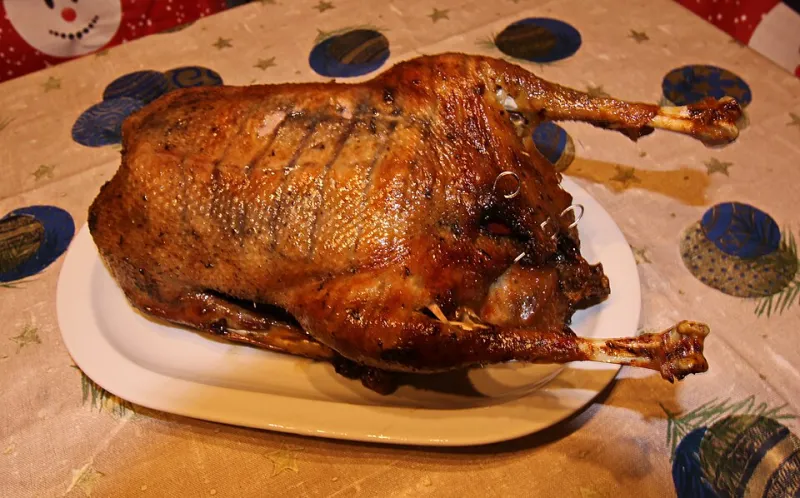
Photo: Mx. Granger, CC0, via Wikimedia Commons
There is a version of Chinese home cooking in Britain that relies on a very specific shopping list: pak choi, spring onion, ginger, a bottle of light soy, a bottle of dark. It works. But it is not the only way, and it is certainly not the most interesting one.
A wok is a tool for high heat, fast movement and layered seasoning. It does not care where the vegetable was grown. Britain happens to grow and catch several things that slot into Chinese cooking almost suspiciously well — things with the right sugar, the right water content, the right acidity to balance a dish. Here are five we keep coming back to, with notes on how to handle each one.
1. Heritage carrots — sweet, earthy, built for char
Heritage carrots are denser and sweeter than the standard supermarket bag, and they hold their shape under a hard sear instead of turning to mush. That makes them ideal for a wok, where you want colour on the outside and a little bite within.
Technique: Cut into batons roughly the thickness of your little finger. Blanch for two minutes, drain and dry properly — wet carrots steam instead of searing. Then hit them in a very hot wok with a film of oil and leave them alone for a minute before tossing.
Seasoning: Ground cumin, a little star anise, light soy and a teaspoon of honey or maltose. Finish with black vinegar off the heat.
Texture: You are chasing blistered edges and a tender centre. If they are soft all the way through, the pan was not hot enough.
2. Leeks — the allium the wok has been missing
Leeks do the job of spring onion and Chinese chives at once: sweet, oniony, substantial enough to be a vegetable in their own right rather than a garnish. They are also cheaper than either, most of the year.
Technique: Split lengthways, fan out the layers under running water to get the grit out, then slice on the bias into fat coins. Start them in a moderate pan with oil to soften and sweeten, then push the heat up hard to finish.
Seasoning: White pepper rather than black, a splash of Shaoxing wine, a spoon of oyster sauce if you have it. A pinch of sugar helps if the leeks are older and sharper.
Texture: Soft and silky, with a few browned edges. Fold them through egg fried rice at the last moment, or cook them down slowly into an oil that you then spoon over noodles.
3. Brown crab — ginger and spring onion, done properly
British brown crab is sweet, plentiful and, compared with most seafood, reasonable. The Chinese treatment is one of the great dishes of the world: ginger, spring onion, a little wine, a lot of heat.
Technique: If you are starting from live crab, cook and pick it, and keep every bit of brown meat — that is where the flavour is. Dust the shell pieces lightly with cornflour before frying; it protects the meat and thickens the sauce later.
Seasoning: Lots of ginger, white pepper, Shaoxing wine, a small amount of light soy, a splash of stock, then a lid on for a couple of minutes to steam everything through. Spring onion goes in at the end, raw and generous.
Texture: The meat should be juicy, not dry, and the sauce should cling rather than pool. Serve with plain rice and nothing else competing.
4. Rhubarb — Yorkshire's answer to tamarind
Forced rhubarb arrives in the depths of winter, bright pink and startlingly sour. That sourness is exactly what Chinese cooking uses tamarind or preserved plum for: cutting through richness.
Technique: Cook it briefly and gently. Rhubarb collapses fast, so treat it as a sauce ingredient rather than a stir-fry one. Simmer with a little sugar, star anise and ginger until it just falls apart, then strain if you want a smooth sauce.
Seasoning: Black sugar or honey to round the acidity, a pinch of salt, and a little five-spice if it is going with pork or duck. Keep it sharper than you think — the point is the cut, not the sweetness.
Texture: Spoonable, glossy, with enough body to coat the back of a spoon. It is excellent with roast pork belly, and just as good stirred through yoghurt with a drizzle of ginger syrup.
5. Smoked bacon — the shortcut to lap cheong smoke
Lap cheong does something specific: it brings smoke, sweetness and fat to a dish all at once. Good British smoked streaky bacon does two of those three, and it is in every corner shop.
Technique: Dice it small and render it slowly in a cold pan before you turn the heat up. You want the fat out and the meat crisp. Use that fat as the base of the dish rather than adding oil on top of it.
Seasoning: A little honey or maltose to replace the sweetness lap cheong would give, dark soy for colour, and no extra salt until you have tasted it.
Texture: Crisp nuggets, not chewy strips. It belongs in claypot rice, in fried rice with peas, and stirred through bitter greens with a spoon of chilli oil.
A note on heat, salt and restraint
The common thread in all five is that none of them need much done to them. Get the pan properly hot, do not crowd it, season in stages rather than all at once, and taste before the final pinch of salt. British ingredients are often milder than their Chinese counterparts, which means the technique has to do more of the work.
Where to start
Pick one of these, cook it twice in the same week, and adjust the second time. That is how a pantry changes. The wok will meet you halfway.