The Noon Bell: How Char Siu Became My Favourite British Lunchbox Filling
There is a particular moment in the British working day when the lunchbox stops being a practical object and becomes a small test of character. It is roughly 11.47am. Someone in the office has already opened the biscuit tin. The sandwich you made in a rush is beginning to look like a folded piece of paperwork. This is where char siu comes in.
Not as a restaurant centrepiece, not as a weekend project, but as leftovers. Cold roast pork, stained deep red at the edges, sliced thin and packed beside something crisp and something sharp. It is a very Cantonese idea and a very British habit at the same time: cook a little more than you need, then make the next day easier.
Start With the Meat, Not the Bread
The best lunchbox char siu begins the night before. If you are roasting pork shoulder or pork belly for dinner, glaze a little extra with honey, soy, hoisin and a pinch of five-spice. Let it cool completely before it goes anywhere near a lunchbox. Slice it thinly against the grain, then keep the slices tight together in a small container so they do not dry out.
You do not need a restaurant-grade marinade for this. A supermarket char siu sauce will do on a Tuesday. What matters is the texture: thin slices, a little fat, a sticky edge. If the meat is very lean, add a teaspoon of the roasting juices or a tiny drizzle of sesame oil when you pack it. That small bit of moisture is the difference between a filling and a disappointment.
In 2026, with food prices still asking for a second look, this is also a sensible way to stretch a Sunday roast. A modest joint can give you a proper dinner and two lunches. That is not thrift for its own sake. It is just good cooking, carried forward.
Five Combinations That Hold Up Until Noon
1. The char siu sandwich, with cucumber instead of lettuce
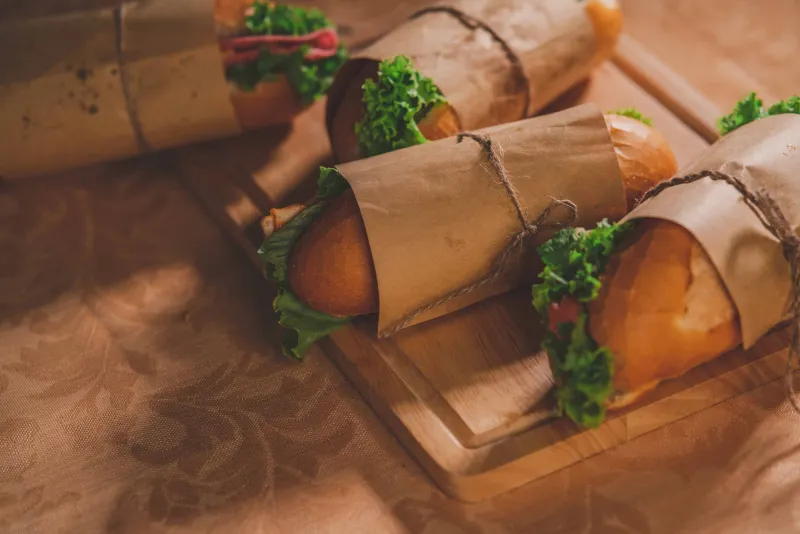
Use a soft roll or thick-cut white bread. Spread one side with mayonnaise mixed with a little hoisin, layer in the pork, then add thin ribbons of cucumber and a few slices of spring onion. The cucumber stays crisp where lettuce would go limp. If you want heat, add a few drops of chilli oil to the mayonnaise, not directly to the bread, so it does not soak through.
2. Cold rice with pickles and chilli oil
Pack cold cooked rice in one container and the pork, pickled cucumber, sliced radish and a small pot of chilli oil in another. Keep them separate until you eat. At noon, spoon the pork and pickles over the rice and finish with chilli oil. This is the lunchbox equivalent of a good leftovers bowl, and it feels far more generous than it is.
3. A char siu wrap with crunchy cabbage
A large tortilla or flatbread, a smear of hoisin, pork, shredded white cabbage, grated carrot and coriander if you like it. Roll it tightly, wrap it in baking paper, then cut it in half. The cabbage does the job lettuce cannot: it stays crunchy and gives the pork something to push against.
4. Sesame noodle salad with pork on top
Cook noodles the night before, rinse them cold and toss with sesame oil, soy, a little vinegar and sliced spring onion. Keep the pork separate and add it just before eating. This is the most forgiving option if your lunchbox has to survive a train journey or a warm office.
5. The crispbread plate
Not every lunch needs bread. Pack slices of char siu beside cucumber spears, pickled onions, a handful of rice crackers and a small pot of soy-sesame dip. It is closer to a ploughman's than a sandwich, but the flavours work. It also travels well, which is more than can be said for most packed salads.
What Survives Until Noon
The rule is simple: keep wet things away from dry things, and keep cold things cold. An insulated bag with a small ice pack is not overkill in a British summer, and it is useful year-round if your office heating is enthusiastic. Cooked pork should not sit at room temperature for hours. If you are packing it in the morning, chill it overnight first.
Cucumber, cabbage and carrot are reliable. Lettuce is not. Tomatoes will make everything wet. Avocado will turn brown and self-conscious. Pickles are your friend because they are already preserved and they bring the sharpness that cold pork needs. A small jar of chilli oil, kept at work or decanted into a tiny pot, turns a plain rice lunch into something with a pulse.
If you prefer a hot lunch, reheat the pork and rice together, but keep the cucumber and pickles out of the microwave. No one has ever improved a pickle by cooking it twice.
The Crisp Packet Question
There is a place in the British lunchbox for a bag of crisps. I am not here to argue with that. But beside the crisp packet there is room for a small pot of pickles, a drizzle of sesame dressing or a spoonful of chilli oil. These are not exotic additions. They are condiments, in the same way mustard and brown sauce are condiments. They wake up cold meat and plain rice. They make a packed lunch feel deliberate.
That is the quiet argument for char siu between slices. It is not about turning your lunch into a restaurant meal. It is about using what you already cooked, packing it with a little care, and giving the noon bell something to look forward to. The sandwich can wait. The pork should not.