Fifteen Quid, Four Bowls: The Corner-Shop Chinese Supper That Works
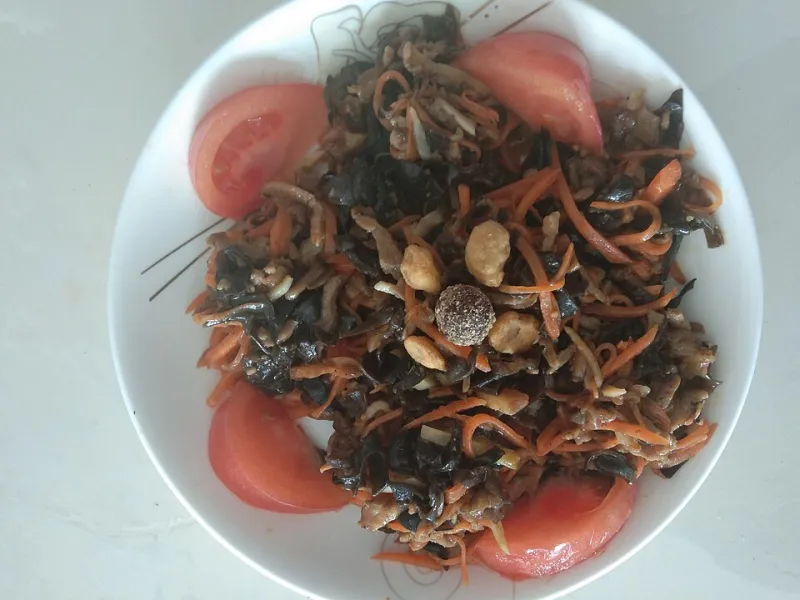
Photo: Jason M. C., Han, CC BY-SA 4.0, via Wikimedia Commons
The Chinese supermarket is a wonderful place. It is also, on a wet Tuesday in November, nowhere near your flat. The corner shop, on the other hand, is at the end of the road, glowing under a Londis or Premier sign, and it is far more useful for a Chinese supper than most people give it credit for. You do not need twenty jars of fermented bean paste to eat well. You need a plan, a hot pan, and fifteen pounds.
This is not a fakeaway. It is a small, honest Chinese meal for four, built from tins, freezer drawers, bagged vegetables and the condiments that British shops have quietly got very good at stocking. The menu is three courses, the shopping is one bag, and the cooking is weeknight-friendly. Prices are typical 2026 corner-shop prices, and they wobble depending on whether you are in Leeds or Lewisham, but the shape of the shop stays the same.
The £15 shopping list
Assume you have oil, salt and sugar. If you do not, add two pounds and consider it a starter kit. Everything else comes home in one bag.
- Frozen dumplings, about 20: £3.50
- Chicken thighs or drumsticks, enough for four: £3.20
- Six eggs: £1.20
- Long-grain rice, 1kg: £1.30
- Half a white cabbage: £0.70
- Carrots, 500g: £0.50
- Spring onions: £0.60
- Frozen peas: £0.80
- Soy sauce: £1.00
- Malt vinegar: £0.70
- Chilli sauce or chilli oil: £0.90
- Tinned pineapple rings: £0.70
That is £15.10, near enough. If your shop has a cheaper bag of rice or a bigger bag of dumplings on offer, take it. If it has fresh ginger at a sensible price, buy a thumb of it and knock the chilli sauce off the list. The point is not to be rigid. The point is to build a meal, not a pantry.
The menu: three courses, one pan rhythm
Starter: crisp-bottomed dumplings with soy-vinegar dip
Frozen dumplings are the best thing to happen to British corner shops in years. Do not boil them. Heat a little oil in a frying pan, sit the dumplings flat-side down, let them colour, then splash in a few tablespoons of water and clamp on a lid. Steam for five minutes, take the lid off, and let the bottoms go crisp again. The dip is soy, malt vinegar, a spoon of chilli sauce and a pinch of sugar. That is it. If your shop has no dumplings, frozen spring rolls work, or make rough scallion pancakes with plain flour, water and sliced spring onions.
Main: sticky soy chicken with cabbage and carrots, plus egg fried rice
Brown the chicken in a wide pan. Add soy, a spoon of sugar, a splash of vinegar and a mug of water. Let it bubble and reduce while you shred the cabbage and peel the carrots into ribbons. Throw the vegetables in for the last ten minutes so they keep some bite. Cook the rice, then fry it with beaten eggs, frozen peas and spring onions. The chicken should be glossy and dark at the edges; the rice should be loose and speckled, not soggy. If you have garlic, add it. If you do not, the spring onion whites will do the heavy lifting.
Pudding: hot five-spice pineapple
Drain the pineapple rings, keep a little syrup, and warm them in a pan with the syrup, a knob of butter if you have it, and a pinch of five-spice or cinnamon. Let it turn sticky. Serve in bowls with the hot syrup spooned over. It is not a Chinese restaurant dessert, but it is Chinese-ish, British, and exactly the sort of thing you want after soy and vinegar. If you have sesame seeds, scatter them. If not, nobody will write to the council.
Where to spend and where to save
Spend on the dumplings and the chicken. These carry the meal. A cheap chicken thigh cooked properly will beat an expensive breast cooked badly, and a bag of frozen dumplings is a starter that feels like a treat for less than the price of a pint.
Save on the vegetables. Cabbage, carrots and frozen peas are the holy trinity of the British corner shop: cheap, sturdy, and happy to be cooked Chinese. Save on the rice, too. A plain bag of long-grain is fine. You are frying it, not entering it into a competition.
Do not buy a wok if you do not have one. A wide frying pan is fine. Do not buy water chestnuts, bamboo shoots or a jar of something you will use once. Do not buy fresh herbs that will wilt before Thursday. The corner shop is not a Chinese supermarket, and it does not need to be. It needs to sell you eggs, cabbage and soy sauce, and it will.
The fifteen-pound table
This is a supper that looks after itself. The dumplings go on first while the chicken browns. The rice cooks while the cabbage softens. The pineapple warms while you find four bowls that roughly match. You end up with a table that has crunch, salt, vinegar, heat, sticky edges and a clean, sweet finish, and you have not left the postcode.
It is not the whole of Chinese cooking. It is not meant to be. It is a Tuesday answer to a Friday craving, and it costs less than a takeaway for two. The corner shop has been ready for this for years. We just needed to stop walking past the freezer.