Five Bottles, One Shelf: Matching Soy Sauce to British Cooking in 2026
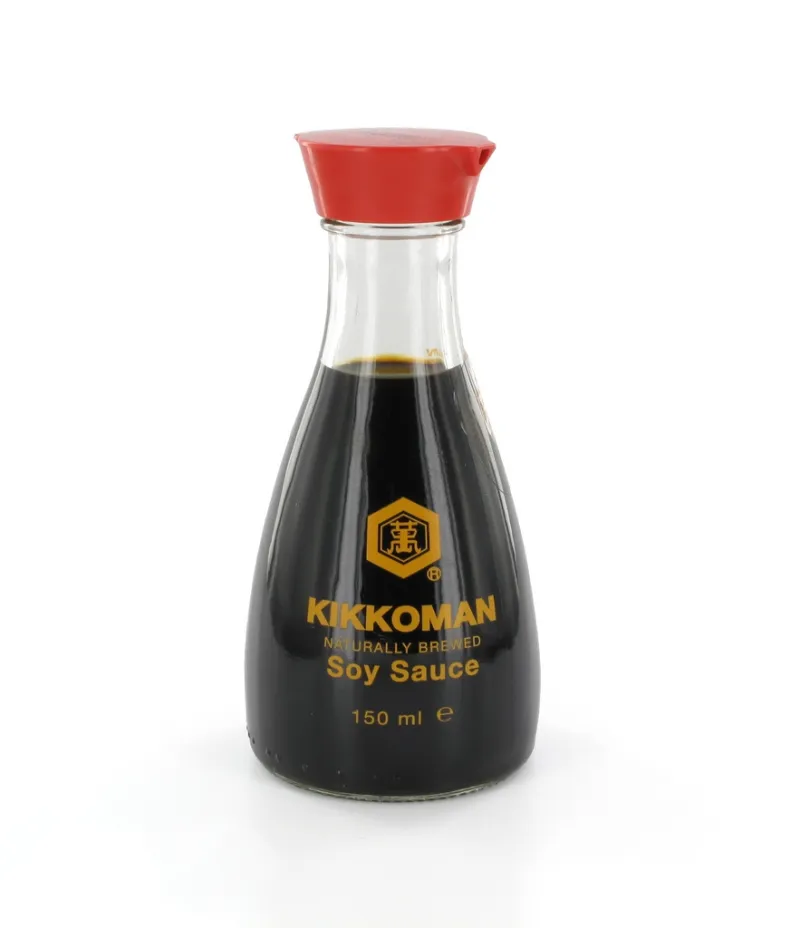
Photo: Creative Tools, CC BY 2.0, via Wikimedia Commons
Walk into any UK supermarket in 2026 and the soy sauce aisle has quietly become a proper little library. Own-label bottles sit beside big heritage names, gluten-free tamari has edged into the mainstream, and mushroom soy has started turning up outside the world foods aisle. It is easy to grab the same bottle you always buy. It is more useful to know why you are buying it.
This is not a brand ranking. It is a shelf strategy: five bottles, five jobs, and a few honest pairings for British ingredients. Think roast parsnips, good sausages, leftover chicken, a pan of fried rice, and a slow braise on a wet Sunday.
Start with the drop test
Before you read the label, taste the sauce. Put a single drop on a spoon or a piece of plain rice. Ask three questions. Is it salty? Is it sweet? Does it taste of anything beyond salt? That tiny test tells you more than most front-of-pack copy.
Light soy should taste clean, saline and savoury, with a quick finish. Dark soy should be thicker in feel, darker in colour and gentler on the tongue, often with a molasses-like edge. Seasoned soy is the ready-meal shortcut: saltier, sweeter, often with a whiff of star anise or five-spice. Tamari is rounder and usually gluten-free. Mushroom soy is the quiet umami bomb, earthy and slightly sweet.
Light soy: the everyday seasoning
Light soy is the bottle I reach for most. Despite the name, it is not a diet product. It is thin, salty and direct, the one that seasons without staining. Use it when you want salt plus savoury depth, not a dark lacquered finish.
It is the right choice for a quick stir-fry of British greens and garlic, for marinading chicken thighs before they go under the grill, and for seasoning the water when you blanch cabbage. A splash in a bowl of noodles with sesame oil and spring onion is enough to make a decent lunch. It also works beautifully with roast vegetables: toss carrots and parsnips with light soy, honey and a little mustard before roasting, and you get savoury edges without a heavy glaze.
Dark soy: colour, not just salt
Dark soy is the bottle people overuse. It is less salty than light soy, but it is much more assertive in colour. A little goes a long way. Think of it as a brush, not a bucket.
Use dark soy when you want a braise to look like a braise. British beef short ribs, pork belly, or a slow-cooked lamb shoulder all take kindly to a spoonful alongside light soy, ginger and star anise. It is also the bottle for fried rice when you want that deep, glossy brown colour rather than a pale, salty pan. Add it at the edge of the wok so it sizzles and blooms.
With British ingredients, dark soy is excellent in a sausage ragù or a shepherd's pie filling if you are feeling quietly experimental. A teaspoon in the mince adds depth without turning the whole thing into a Chinese dish. That is the point: it is a seasoning, not a takeover.
Seasoned soy: the shortcut bottle
Seasoned soy is the one that confuses people most. It is soy sauce that has already been sweetened and flavoured, often with sugar, star anise, liquorice or dried seafood. It is not the bottle for subtle cooking. It is the bottle for finishing.
Use it sparingly on plain rice, noodles, steamed fish or blanched greens. A drizzle over a bowl of rice with a fried egg is a very good dinner. It also works as a quick dip for dumplings or spring rolls. In a British kitchen, seasoned soy is a useful cheat for roast chicken gravy: a teaspoon stirred in at the end adds savoury sweetness and a bit of aromatic depth.
Do not use it as a direct swap for light soy in a marinade unless you taste as you go. It is saltier and sweeter, and it can overwhelm quickly.
Tamari and mushroom soy: the useful outsiders
Tamari is the gluten-free bottle that has earned its place. It is usually made with little or no wheat, and it tastes rounder and less sharp than many standard soy sauces. Use it wherever you would use light soy, especially in dressings, dipping sauces and marinades. It is particularly good with roasted mushrooms, grilled chicken and anything that needs a savoury lift without a hard salty edge.
Mushroom soy is the one to buy if you want depth without meat. It is dark, earthy and slightly sweet, and it is brilliant in vegetarian braises, noodle soups and stir-fried greens. Try it with British mushrooms, leeks and barley in a wintery traybake, or add a spoonful to a lentil ragù. It also gives a lovely savoury backnote to gravy.
A simple shelf for a British kitchen
If you are building a shelf from scratch, start with three bottles: a light soy, a dark soy and a tamari. That covers most weeknight cooking, from fried rice to roast vegetables to a quick marinade. Add seasoned soy if you like noodles, rice bowls and dumplings. Add mushroom soy if you cook vegetarian food often or want a deeper savoury note in braises.
Pairing matters more than price. Light soy is for salt and savoury lift. Dark soy is for colour and slow-cooked depth. Seasoned soy is for finishing. Tamari is for gluten-free cooking and rounder flavour. Mushroom soy is for earthiness and umami. Once you know which job each bottle does, the shelf stops being a wall of brown liquid and becomes a set of tools.
What to buy first
Buy the smallest bottle you can reasonably use. Soy sauce does not improve forever, and a giant bottle of dark soy is a commitment. Store it in a cool cupboard, away from the hob, and use it within a few months of opening. Taste before you cook. A bottle that has sat open for a year will taste flatter than a fresh one.
And do not be loyal to a label just because it is familiar. The best bottle for your kitchen is the one that makes a plain tray of roast carrots taste more like itself. In 2026, that is a good enough reason to read the shelf properly.