Hot Broth, Cold Hills: Rethinking the Winter Walking Flask
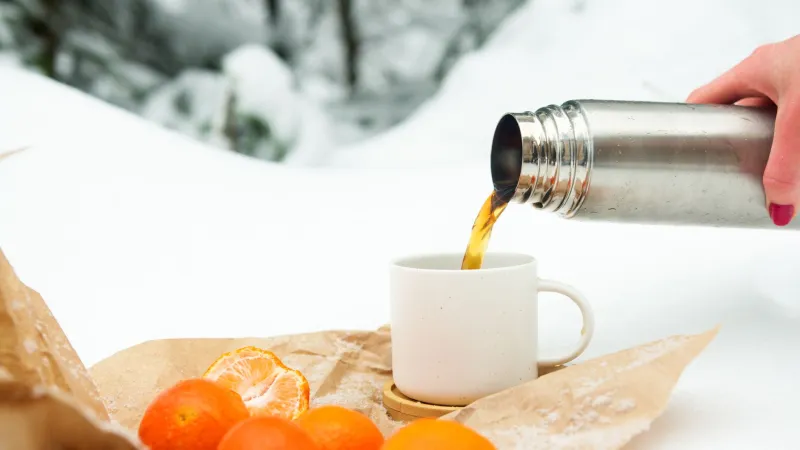
There is a particular British ritual to the winter walk. You park on a muddy verge, wrestle into waterproof trousers, and spend the first mile arguing about whether the sky is going to hold. Somewhere in the rucksack is a flask of tea. It is dependable, familiar and slightly disappointing by the time you reach the summit.
This winter, consider a different fill. A hot Chinese broth does everything tea does — warmth, comfort, a reason to stop — but it also gives you salt, savoury depth and something to eat. It sits neatly beside the walking boots and the waterproofs. It does not ask for a picnic table. And on a cold ridge in the Peak District or a windy stretch of the Pembrokeshire coast, it feels less like a drink and more like a small act of self-care.
Why broth earns its place in the rucksack
Tea is a hand-warmer. Broth is a hand-warmer with a backbone. A clear, well-seasoned Chinese broth brings the kind of warmth that reaches your shoulders — the peppery hit of white pepper, the gentle savour of light soy, a whisper of sesame oil. It is not heavy. It is not a stew. It is the sort of thing you sip from the flask lid while the wind tries to steal your hat.
The practical case is just as strong. Broth is mostly water, so it stays hot for a decent stretch in a decent flask. It does not need to be chewed. It can be drunk standing up, with gloves on, while someone else reads the map upside down. And unlike a sandwich, it does not go sad in the cold.
There is a cultural case too. In Chinese cooking, soup is not reserved for a bowl at the table. It is a carrier of comfort, a way to use up the last of the ginger, a place where a few scraps become something generous. A flask of broth on a British hill is simply that idea in a different landscape.
The broths that travel well — and the ones that don’t
Not every soup is a good walker. Creamy, starchy or noodle-heavy broths tend to slump. They thicken as they cool, cling to the flask walls and turn into something closer to wallpaper paste. The best flask broths are clear, light and full of flavour rather than bulk.
A peppery wonton broth is the obvious starting point. Keep it simple: chicken or vegetable stock, a slice of ginger, a little light soy, a pinch of white pepper and a few drops of sesame oil. If you want wontons, choose small, firm ones and add them at the last minute before leaving — or pack them separately and drop them into the hot broth at the stop. They will soften in the flask if they sit for hours, and nobody wants a dumpling that has given up.
Tomato-and-egg soup is the other great candidate. It is sweet, savoury and slightly comforting in a way that surprises people who only know it from a takeaway menu. Use ripe tomatoes or a good tinned passata, a little ginger, a splash of soy and ribbons of egg stirred through at the end. Keep it loose rather than thick. It travels beautifully and tastes like a sunny afternoon even when the weather is doing its worst.
A plain chicken and ginger broth, a mushroom-and-kombu broth, or a light pork and pickled mustard green broth are all good candidates. Avoid anything with a lot of cornflour, coconut milk, cream or long noodles. They are delicious at home and miserable in a flask.
Packing it without a leak — or a sad lunch
The first rule is boring but important: use a flask you trust. A wide-mouth Thermos-style flask is easier to fill, easier to clean and less likely to trap broth in a narrow neck. Pre-heat it with boiling water for five minutes, tip that water out, then fill with broth that is properly hot. Leave a little headspace at the top and screw the lid down firmly. Wrap the flask in a cloth or tea towel and carry it upright in your bag. Then check it before you leave the house. Every good walk begins with a small, unglamorous leak test.
Pack the garnishes separately. Spring onions, coriander, crispy shallots and a little chilli oil can all go in a small tub or a zip-lock bag. Add them when you stop, not before. A squeeze of black vinegar at the roadside is a lovely thing, so carry a tiny bottle if you are that sort of person. The broth will be hot enough to bring everything back to life.
One more thing: do not overfill. A flask packed to the brim is a flask waiting to leak. And if you are walking with children, label the flask. Broth looks similar from the outside, and a seven-year-old with strong opinions about tomatoes will not thank you for a surprise.
A simple flask broth to start with
For a pepper-and-sesame chicken broth, simmer a litre of good chicken stock with three slices of ginger, two spring onions and a dried shiitake mushroom for twenty minutes. Strain it, season with light soy and a generous pinch of white pepper, and add a few drops of toasted sesame oil. Taste it. It should be savoury, clean and just spicy enough to make you pay attention. Fill your pre-heated flask, pack a small bag of shredded spring onion and crispy shallots, and go.
On the walk, pour a little into the cup lid, scatter over the garnishes and drink it slowly. It will taste better than it has any right to on a grey November afternoon. The tea flask can come too, of course. But the broth is the one that will make you feel like you have planned properly.
A flask of soup is not a gimmick. It is a small, sensible, deeply pleasurable upgrade to the British winter walk. Fill it with something Chinese, pack it carefully, and give it a place beside the boots by the door.