A Cuisine with a Postcode: In Defence of British-Chinese Food in 2026

Photo: Jaggery , CC BY-SA 2.0, via Wikimedia Commons
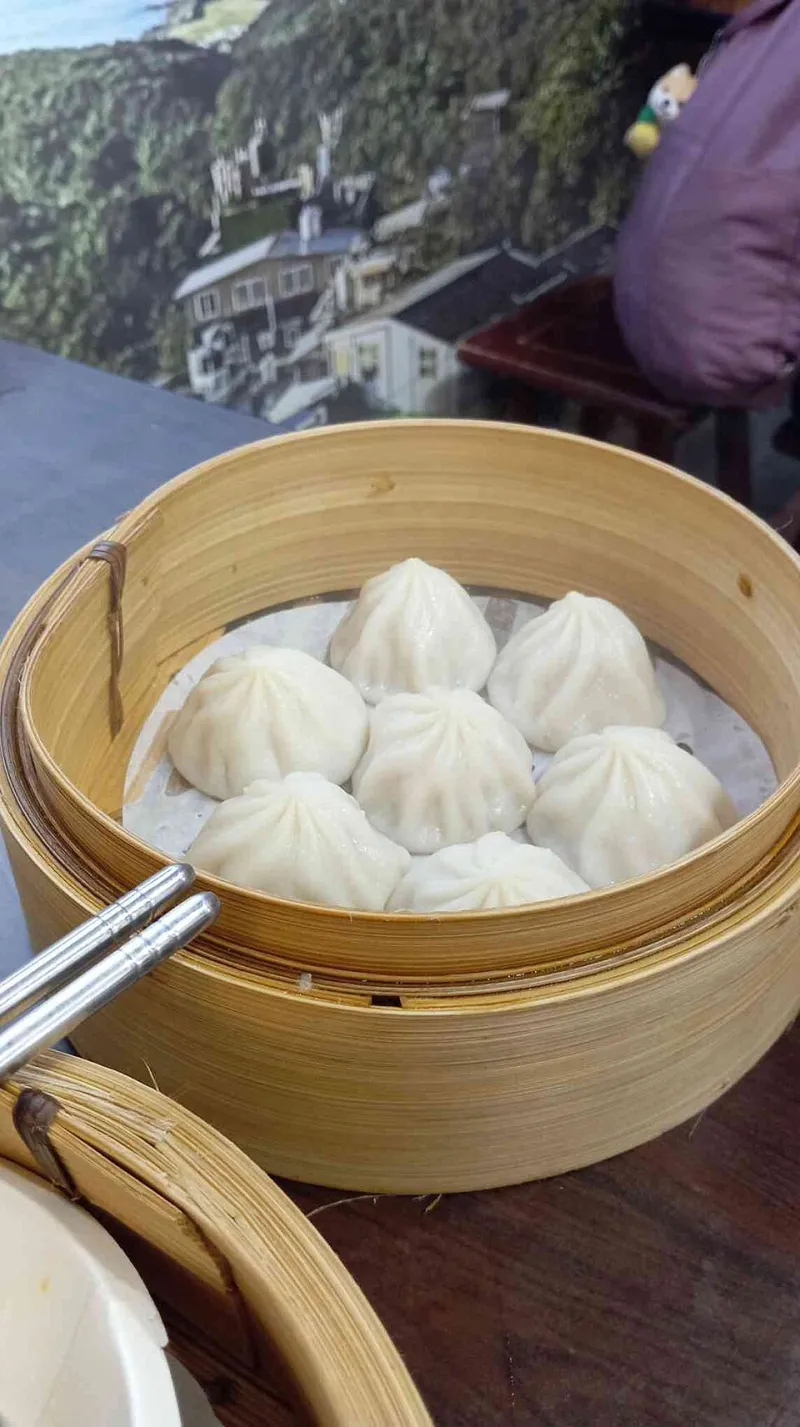
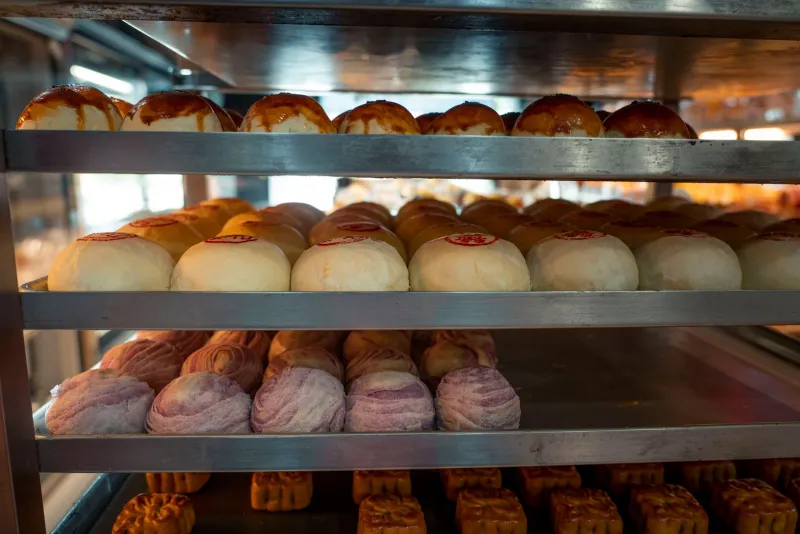
British-Chinese food has spent decades being introduced with a small, apologetic cough. ‘It’s not really Chinese,’ someone says, reaching for the curry sauce. ‘It’s fusion.’ That word is usually meant kindly. It is also a way of saying the food is a compromise: a halfway house between a ‘real’ cuisine and a British appetite, something to be enjoyed but not quite respected. I think that is wrong. British-Chinese cooking is not a diluted version of something else. It is a cuisine with its own history, its own grammar and its own pleasures — and in 2026 it is more than ready to be taken seriously on its own terms.
The word that gets in the way
Fusion is not a dirty word. When a chef deliberately borrows a technique or an ingredient to make something new, that is fusion, and it can be exciting. But British-Chinese food did not arrive by clever chefs deciding to mix two cuisines for effect. It grew out of migration, work, scarcity, local ingredients and British customers asking for more sweetness, more gravy, more chips. That is not a compromise. That is how cuisines are made.
The dishes we know are not lesser versions of Cantonese cooking. They are their own canon: curry sauce, sweet and sour, char siu, crispy noodles, spring rolls, prawn toast, salt and pepper chips, chicken and sweetcorn soup. They have rules. They have a balance. They have a way of making a wet, dark Tuesday in Leeds or Glasgow feel briefly lit up. Calling all of that ‘fusion’ is like calling a Sunday roast a failed attempt at French cooking. It misses the point.
From dockland kitchens to the 2026 high street
The story starts in port cities. Chinese sailors and seafarers settled around docks in Liverpool, London’s Limehouse and Cardiff’s Tiger Bay, cooking for themselves and, eventually, for local customers. Early kitchens were small and practical. They used what was available. They adapted. By the 1950s and 1960s, Chinese restaurants and takeaways were becoming part of British high streets, and by the 1970s the familiar menu had taken shape: sweet and sour pork, beef with green peppers, egg fried rice, curry sauce and chips.
That history matters. The British-Chinese takeaway is not a novelty that happened to survive. It is an archive of migration, labour and taste. It records what people could find, what they could afford and what they wanted to eat. In 2026, the high street has changed — there are newer regional Chinese restaurants, hot pot places, noodle bars and slick dim sum rooms — but the old menu is still there, and it still tells a story. The best thing we can do is stop treating that story as a warm-up act.
A grammar of its own
Every cuisine has a grammar: a set of expectations that makes the food coherent. British-Chinese food has one. It likes contrast: soft rice against crisp noodles, sweet sauce against salty pork, heat against pickled crunch. It likes gloss and depth: sauces that cling, gravies that taste of stock and soy rather than just sugar. It likes the wok to do real work, not just warm things through.
Curry sauce is the obvious test. Too often it is spoken about as the embarrassing cousin of ‘real’ curry. But a good British-Chinese curry sauce is a proper sauce: onion, garlic, ginger, curry powder, stock, a little sweetness, a little heat, cooked until it is smooth and glossy. It is no more ridiculous than a British brown sauce or a French béchamel. It has a job, and it does that job well. The same goes for char siu. A good piece of Cantonese-style barbecue pork, sticky and red at the edges, sliced into a lunchbox or piled on rice, is one of the great British-Chinese pleasures. It does not need a tasting-menu garnish to be valid.
What the takeaway understands
The best British-Chinese kitchens are not apologetic. They know their customers. They know that a Friday night order is not a history lesson, but it is not an accident either. They reduce their sauces. They use fresh ginger and garlic. They make sure the chips are crisp before the curry sauce goes anywhere near them. They understand that crispy noodles need to be dry and hot, not soggy and sad.
That confidence is the thing to protect. A restaurant that serves a proper curry sauce, a decent char siu and a plate of crisp noodles is not doing ‘elevated’ British-Chinese food. It is doing British-Chinese food well. That is a different, and better, ambition. The moment we start adding truffle oil and calling it a reimagining, we are often just admitting we do not believe the original was good enough. It was. It is.
Cooking it at home without the apology
At home, the same principle applies. Cook the dishes you actually want to eat, and cook them with care. Buy a decent light soy, a dark soy, sesame oil, white pepper and, if you can, Shaoxing wine. Use British pork shoulder for char siu, spring onions and cabbage for fried rice, good eggs and cold cooked rice. Make a curry sauce from onion, garlic, ginger, curry powder and stock, and let it cook down until it tastes like something. Dry your noodles properly before frying. Do not treat the recipe as a novelty. Treat it as dinner.
Here at Shangki Li, we cook modern Chinese flavours with British soul, and that means respecting both sides of the plate. It does not mean sanding the edges off familiar dishes until they are unrecognisable. It means using good ingredients, proper technique and a bit of nerve. Curry sauce can be made with care. Char siu can be a centrepiece. Crispy noodles can be more than a texture on the side.
A defence you can eat
So here is the practical call. Order the curry sauce without a disclaimer. Ask for char siu by name. Cook crispy noodles at home and let them be crisp. Go to the old-school takeaway and the new noodle bar, and judge each on its own terms. Stop calling British-Chinese food fusion unless you really mean the deliberate mixing of two traditions by a chef. It was never that. It is a cuisine with a postcode, a history and a very good argument for itself. In 2026, it deserves to be defended — and eaten — with confidence.